Aviation Switching Module – NSN 4920-01-250-2696 (AS-IS / Untested): Aerospace Electrical Control Component
Aviation Switching Module – NSN 4920-01-250-2696 (AS-IS / Untested): Aerospace Electrical Control Component
Blog Article
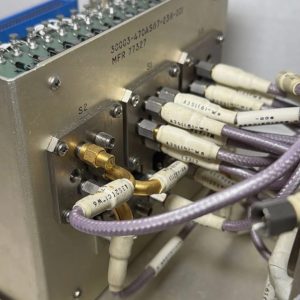
The Aviation Switching Module – NSN 4920-01-250-2696 (AS-IS / Untested) combines recognizable aviation hardware, an identifiable National Stock Number, potential electrical-control functionality, and commercial value for informed specialist buyers.
An Aircraft Switching Module may control, route, select, isolate, or distribute compatible electrical signals or circuits, while an Aerospace Switching Module should be evaluated according to its exact internal design and intended equipment relationship.
An Aircraft Electrical Switching Module, Aviation Electrical Control Module, Aircraft Power Switching Module, Aerospace Electrical Control Unit, and Aircraft Signal Switching Module may describe related switching or control functions, but the exact purpose of this NSN should be verified before use.
An Aircraft Switching Unit can support specialized signal or circuit management, but an Aerospace Power Distribution Module or Aviation Power Control Module may use different internal architecture and electrical requirements.
Identifying the Aerospace Switching Unit
The seller should provide clear photographs of every label, marking, connector, switch, control, mounting point, enclosure surface, and included accessory.
The exact manufacturer, model number, electrical specifications, switching functions, and associated equipment should be confirmed through reliable technical references whenever available.
Untested Switching Module Condition
The condition description should be understood as a limitation rather than a suggestion that the unit is probably operational.
Improper voltage, polarity, grounding, current, signal input, or connector pin assignment can damage the module and connected equipment.
Aircraft Circuit Selection Equipment
An Aircraft Switching Module may provide circuit selection, signal routing, controlled connection, isolation, mode selection, or interface functions within compatible aviation equipment.
Missing knobs, guards, labels, connectors, covers, or fasteners may reduce completeness.
Inspecting Aerospace Electrical Hardware
The module may have been designed for vibration, transportation, storage, maintenance, or aerospace operating environments, but present performance should not Aviation Control Module be assumed.
Connector damage can prevent proper mating or create electrical shorts even when the module enclosure remains intact.
Inspecting Aviation Module Wiring
External condition cannot confirm the state of hidden relays, contacts, circuit boards, wiring, or internal components.
Loose wires, nonstandard components, replaced relays, cut conductors, or evidence of field repair should be recorded.
Choosing an Aviation Electrical Control Module
The exact interface must be established through diagrams, manuals, connector data, or verified system information.
Control labels and switch legends can provide useful clues, but they should not be used as the only source of technical identification.
Choosing an Aircraft Power Switching Module
Current capacity, voltage, duty cycle, contact type, protection requirements, and load characteristics should be confirmed before testing.
Accurate reporting protects buyers seeking an Aircraft Power Switching Module for repair, parts, or research.
Choosing an Aerospace Electrical Control Unit
An Aerospace Electrical Control Unit may combine switching, control, indication, interface, or distribution functions within one enclosed assembly.
Replacement components should match the required electrical, mechanical, thermal, and environmental characteristics of the original design.
Maintaining Aircraft Interface Hardware
An Aircraft Signal Switching Module may route low-level, control, communication, measurement, or test signals between compatible equipment channels.
Missing or corroded bonding components may affect noise, interference, or reliability.
Choosing an Aviation Control Module
A module removed from its original system can be difficult to test without supporting equipment and documentation.
A matching NSN or housing does not always confirm identical internal configuration when modifications or supersessions exist.
Choosing an Aircraft Switching Unit
The unit can provide parts, reference information, display value, training opportunities, or a candidate for professional restoration.
Technical schools may use a de-energized module to demonstrate connector inspection, switch construction, equipment identification, documentation research, or safe troubleshooting planning.
Power Distribution Module Inspection
A module should not be loaded electrically until contact condition, insulation, wiring, and circuit configuration are understood.
Additional mounting holes should not be drilled until the component application is established.
Aircraft Module Functional Evaluation
An Aircraft Electrical Control Unit should receive an organized inspection covering identification, enclosure condition, connectors, controls, labels, hardware, internal components, and signs of environmental exposure.
Unknown circuits should not receive voltage simply because a connector pin appears to be a power input.
Aviation Electrical Power Management
Responsible product information protects buyers seeking an Aviation Power Control Module.
The equipment should remain disconnected and protected during storage.
Electronic Switching Module Applications
An Aircraft Electronic Switching System may consist of multiple modules, harnesses, control panels, relays, indicators, power sources, and associated equipment.
Repair documentation can help distinguish module faults from system faults.
Aerospace Switching Unit Storage and Handling
The Aerospace Switching Unit should be stored in a clean, dry, stable environment protected from moisture, dust, chemicals, impact, pests, and extreme temperature changes.
Loose accessories should be wrapped separately and inventoried before packaging.
Evaluating Surplus Aerospace Equipment
The potential cost of connectors, manuals, test equipment, repairs, components, and specialist labor should be included in the buying decision.
Images should show labels, switches, connectors, enclosure surfaces, mounting points, fasteners, seals, internal areas if opened professionally, and included accessories.
Aerospace Module Pre-Purchase Inspection
A detailed review reduces misunderstanding and supports realistic purchasing decisions.
- Resolve identity, configuration, application, and package-completeness questions before payment.
- Arrange qualified technical evaluation whenever condition, internal status, or testing requirements remain uncertain.
- Inspect and photograph the module immediately after delivery before cleaning, opening, powering, wiring, modifying, or removing components.
Professional Bench Evaluation
Every connection should be documented before power is applied.
Initial evaluation may include mechanical switch checks, continuity testing, insulation inspection, resistance measurements, and examination for shorts or damaged components.
Aircraft Electrical Module Repair Planning
Restoration should begin with condition documentation, careful cleaning, technical research, component identification, fault isolation, and repair planning.
A repaired module may still require system-level testing or additional qualification before installation.
Choosing the Aviation Switching Module – NSN 4920-01-250-2696 (AS-IS / Untested)
The Aviation Switching Module – NSN 4920-01-250-2696 (AS-IS / Untested) can provide restoration, research, parts, training, collection, or professional evaluation value when its identity and condition are understood clearly.
An experienced aviation-electronics technician should assess the module before it is powered, installed, or connected to other equipment.
Whether the product is described as an Aircraft Switching Unit, Aerospace Power Distribution Module, Aircraft Electrical Control Unit, or Aviation Power Control Module, AS-IS limitations should remain clear.
With responsible purchasing, NSN research, connector protection, current-limited evaluation, and documented restoration, the component can remain a useful aviation asset.
Report this page